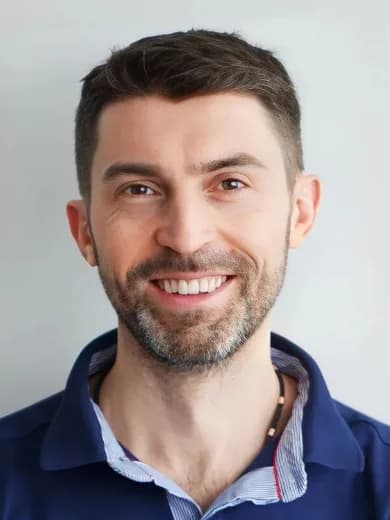
Alexander S. Garusov
Head of Dentistry
Implant surgeon, prosthodontist · 20 years of experience
from 15 000 ₽
Price without sedation. Package under sedation from ₽45,000
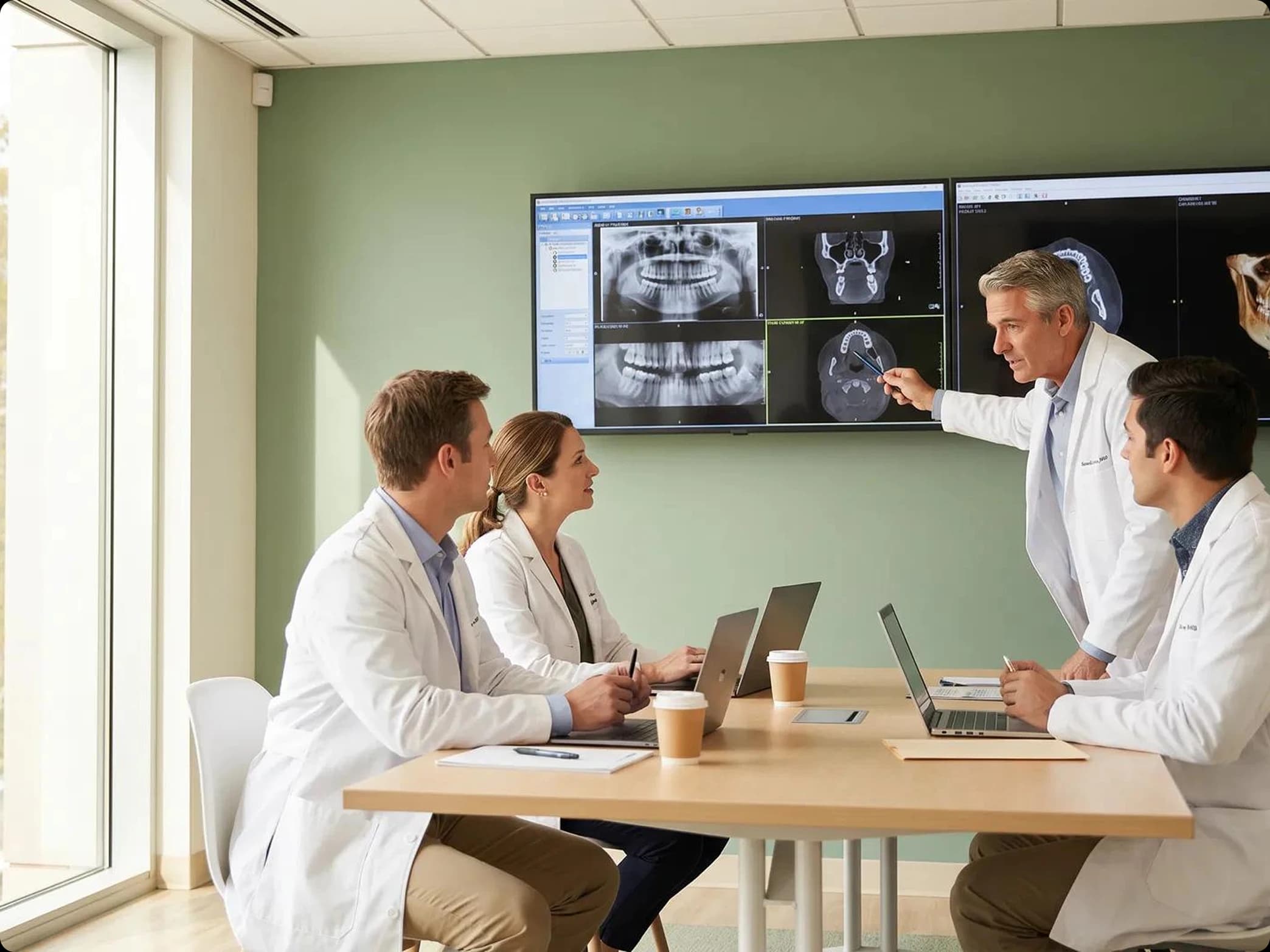
Removing impacted (unerupted) and malpositioned wisdom teeth is a high-tech procedure where clinical precision is the foundation of speed and comfort. We never work “blind”: every procedure is planned on the basis of mandatory CT diagnostics. This lets the surgeon assess the position of the roots relative to the mandibular nerve and the maxillary sinuses with millimeter accuracy, keeping risks to a minimum.
For complex cases, sedation or general anesthesia is a mandatory standard at our clinic. It is not just a way to avoid stress but a clinically justified decision for your health:
We also pay special attention to orthodontic safety. Preventive removal of wisdom teeth keeps the dental arch from shifting and helps maintain the result after braces or aligners.
Patients during or after orthodontic treatment: to prevent crowding and preserve the result.
Complex clinical cases: impacted and malpositioned teeth that require delicate surgical access.
Severe dental anxiety or a low pain threshold: sedation ensures complete emotional and physical comfort.
Several teeth need to be removed in one visit: the most effective and safe way to solve the problem at once.
You want the shortest possible recovery and a quick return to an active life without significant swelling or pain.
Contraindications
The surgical approach and the choice of anesthesia (sedation or general anesthesia) are decided jointly by the surgeon and the anesthesiologist after CT diagnostics and an assessment of anesthetic risks.
This section is under construction
We are preparing the materials — content will appear here soon.
A personal “Pain Code”, a multimodal approach and evidence-based anesthesiology in dentistry, maxillofacial surgery and ENT: NSAIDs as first line, dexamethasone, regional blocks.
ReadThe full cycle of pain management, from pre-operative preparation to rehabilitation: who is on MediLavia’s perioperative medicine team and what each specialist is responsible for.
Read
Professional hygiene helps control tooth decay and gum disease — two common causes of tooth loss. How the procedure works and what to do at home.
ReadCBCT as the basis of a digital treatment plan: implants, orthodontics, maxillofacial surgery and ENT · from 5 000 ₽
Learn moreClear aligners made to a digital plan based on 3D scanning and CT · from 100 000 ₽
Learn moreGeneral anesthesia with intravenous drugs: the anesthesiologist controls the depth of sleep at every stage, with breathing and circulation under continuous monitoring
Learn moreThe document explains how MediLavia's safety system works: the questionnaire and doctor's preparation before the visit, mandatory risk screening by the general practitioner, a single case coordinator, multidisciplinary treatment-plan approval, pre-procedure checklists and a reinforced standard in paediatric practice.
Only 3D imaging shows the actual orientation of the tooth in space. Without CT, the risk of damaging nerve structures increases many times over.
Besides removing fear, sedation allows control of the body's autonomic responses. This reduces post-operative swelling and makes healing more predictable.
Yes. When there is not enough space, they push on the entire dental arch, and crowding returns. We recommend removing them preventively to protect your smile.
Modern drugs provide a gentle wake-up without nausea or dizziness. You can leave the clinic 30–60 minutes after the operation, accompanied by a coordinator.
Book today
We'll get in touch within 15 minutes during business hours
Not ready to book?
Leave your phone — we will send the program and a price estimate and call back if needed.
Contacts
Address
10 Parshina St., premises 23N, entrance 9, Moscow
Opening hours
Mon–Sat 08:00–20:00
Map
MediLavia — 10 Parshina St., premises 23N, entrance 9, Moscow
Call us or book a consultation — we will find the best solution
The text contains no guarantees of outcome. Final indications, contraindications and the treatment plan are determined by the doctor after an in-person consultation and diagnostics.