
Nitrous oxide and oxygen sedation
The cost depends on the length of the session and is calculated after a consultation with the doctor
Service description
Inhaled sedation with a mixture of nitrous oxide and oxygen (N₂O/O₂) is a method of minimal “conscious” sedation in which the patient breathes a controlled gas mixture through a nasal mask. The patient stays conscious, breathes independently and keeps protective airway reflexes and the ability to respond to instructions.
The method reduces anxiety, provides mild pain relief and makes treatment easier to tolerate. It takes effect in 30–60 seconds, with the maximum effect after about 5 minutes. Nitrous oxide is not metabolized and leaves the body unchanged through the lungs, so recovery after the gas is stopped is quick. Sedation is given when indicated, after an examination by the doctor.
How the procedure goes
- The patient sits comfortably in the chair, and the doctor fits a nasal mask of the right size.
- For the first 1–2 minutes, the patient breathes pure oxygen.
- The doctor then gradually raises the nitrous oxide concentration in small steps to the right level of relaxation. For minimal sedation it does not exceed 50 percent; 20–40 percent is usually enough for dentistry.
- In most cases, local anesthesia is also used: the pain-relieving effect of nitrous oxide is weak, and its job is to relieve anxiety.
- The doctor keeps talking with the patient throughout. The patient holds their mouth open unaided, a clinical sign that the level of sedation is adequate; mouth props are not used.
- At the end, the patient breathes pure oxygen for a few minutes to prevent diffusion hypoxia.
How the patient's condition is monitored
With minimal sedation, monitoring is based on clinical observation and continuous verbal contact. The staff who perform sedation are trained in basic and advanced cardiopulmonary resuscitation. Heart rate, blood oxygen saturation and blood pressure are also tracked: before the start, about every 10 minutes during the procedure and at the end.
With adequate sedation, the patient is awake and relaxed, spontaneous movement is reduced, pulse, blood pressure and breathing rate are normal, and the laryngeal reflex is preserved. If the patient becomes markedly detached, dizzy or nauseous, or finds it hard to keep their mouth open, the doctor lowers the gas concentration.
If nitrous oxide is combined with other sedatives or the concentration exceeds 50 percent, sedation becomes deeper, and monitoring standards for that level apply, including capnography.
Side effects
- The most common is nausea and vomiting: 2–14 percent according to pediatric data. The risk is higher when opioids are added and at higher gas concentrations.
- Dizziness, voice changes, euphoria, laughter, tingling in the limbs, a feeling of detachment.
- Diffusion hypoxia if the gas is stopped abruptly, prevented by breathing oxygen at the end of the procedure.
- Headache; rarely, raised blood pressure and heart rhythm disturbances.
- With long or repeated exposure, blood and neurological effects linked to vitamin B₁₂ inactivation.
Safety profile
The method has a good safety profile when used by trained staff at concentrations appropriate for conscious sedation.
- In an analysis by the Pediatric Sedation Research Consortium (1,634 administrations), adverse events occurred in 6.5 percent, vomiting in 2.4 percent and serious adverse events in 0.2 percent, with no cases of aspiration.
- In a pediatric emergency department program over 10 years (831 sedations), no serious adverse events were recorded.
- No deaths or serious morbidity have been reported with nitrous oxide used as the only agent at appropriate concentrations.
- In adults undergoing endoscopy, nitrous oxide gave faster recovery and fewer drops in blood pressure and desaturation than intravenous sedation.
Rehabilitation
Before the procedure
- The doctor takes a dental and medical history and assesses your general condition
- The patient or parent signs an informed consent form
- Strict fasting is usually not required; light restriction of food about 2 hours before is generally enough
- Drinking clear liquids less than 2 hours before the procedure and using opioids at the same time increase the risk of vomiting
After the procedure
- At the end of the session, the patient breathes pure oxygen for a few minutes to prevent diffusion hypoxia
- Recovery is quick: the gas leaves the body unchanged through the lungs
- Avoid intense physical activity for the first few hours after the session
Who it’s for
Anxiety before treatment
Moderate anxiety and fear of dental or outpatient ENT treatment, dental phobia, a low pain threshold.
Children with mild to moderate anxiety
An alternative to general anesthesia for a small amount of treatment, including orthodontic extractions.
Patients with other conditions
Conditions in which a high percentage of oxygen in the breathing mixture is beneficial, while the drug does not burden the liver and kidneys.
Contraindications
Contraindications
- Conditions with closed gas-filled spaces: middle ear disease or infection, recent middle ear surgery, pneumothorax, bowel obstruction, pneumocephalus
- Inability to breathe through the nose or intolerance of the nasal mask: nasal congestion, a child refusing the mask
- First trimester of pregnancy
- Cobalamin (vitamin B₁₂) deficiency; treatment with bleomycin
- Severe emotional and psychiatric disorders, drug dependence
- Age under 3 and children who cannot yet cooperate with the doctor
Use with caution in severe COPD (because of the oxygen enrichment effect) and severe bronchial asthma. Limitations related to closed gas-filled spaces are especially important in ENT practice: nitrous oxide diffuses readily. The final decision is made by the doctor after an examination and review of the medical history.
Protocol “One Visit — Full Treatment Strategy”
This section is under construction
We are preparing the materials — content will appear here soon.









Useful materials
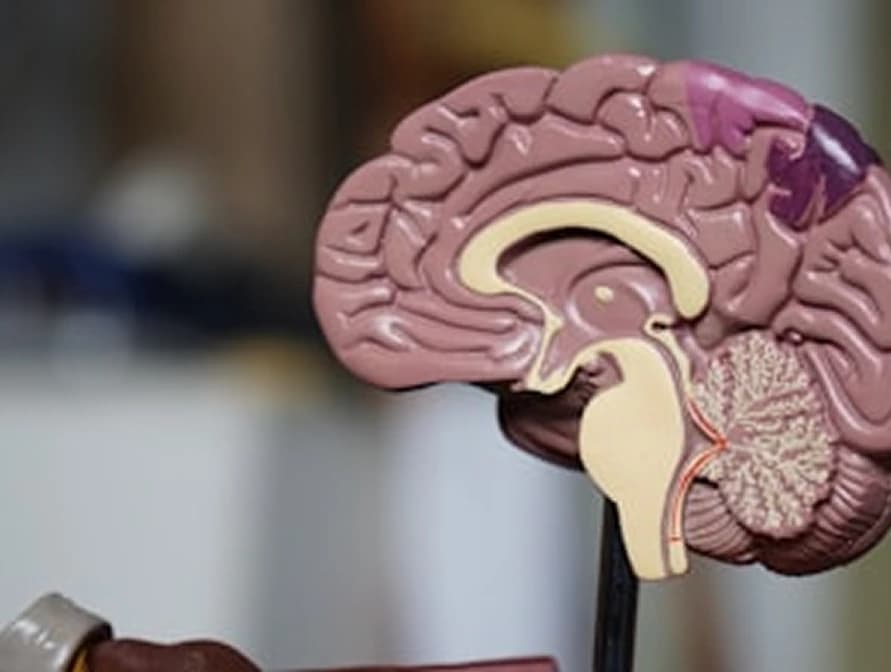 Pediatrics8 min
What side effects can nitrous oxide have?
The most common side effect of nitrous oxide in children is vomiting. Serious adverse events are extremely rare. We review data from large registries.
Read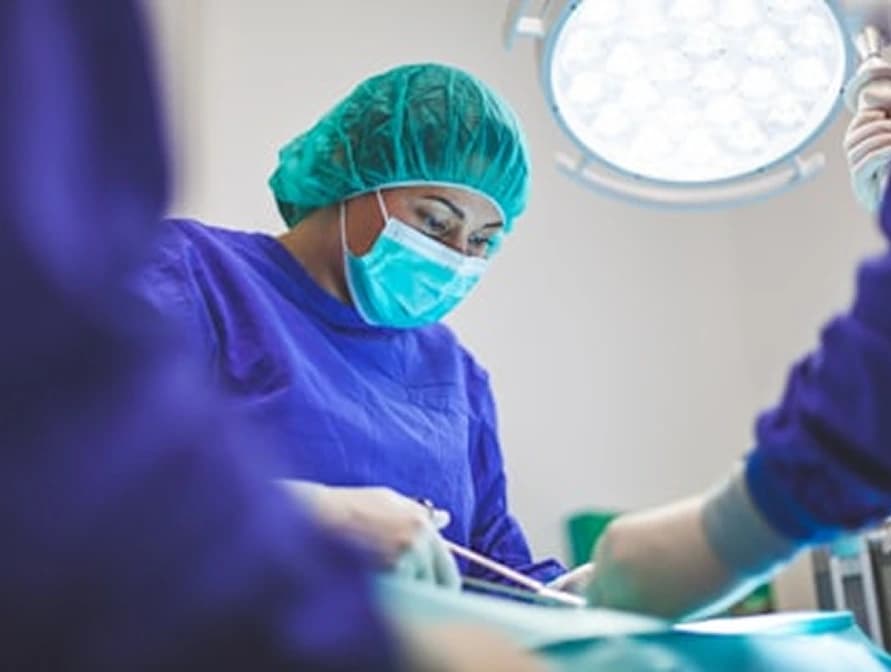 Pediatrics10 min
What types of sedation are used in pediatric dentistry?
What sedation is, why it is needed and what levels exist: from nitrous oxide to intravenous sedation and general anesthesia. A clear explanation for parents.
Read- Pediatrics12 min
Is sedation safe for children?
A systematic approach to the safety of pediatric sedation: pre-procedure assessment, monitoring, staff, choice of drug and readiness for emergencies.
Read
Related services
Complex wisdom tooth removal under sedation
Complex removal of impacted and malpositioned teeth planned on CT, sedation when indicated · from 15 000 ₽
Learn morePediatric dentistry under sedation: treatment without unnecessary stress
Controlled sedation with a pediatrician and an anesthesiologist: nitrous oxide, medication sedation and general anesthesia when indicated · from 2 200 ₽
Learn more
Get the «Unified Quality and Safety Protocol» — how the clinic protects the patient along the whole route
The document explains how MediLavia's safety system works: the questionnaire and doctor's preparation before the visit, mandatory risk screening by the general practitioner, a single case coordinator, multidisciplinary treatment-plan approval, pre-procedure checklists and a reinforced standard in paediatric practice.
Frequently asked questions
No. Nitrous oxide sedation is minimal “conscious” sedation: you stay conscious, breathe independently, hear the doctor and answer questions, and your protective airway reflexes are preserved. This is the key difference from general anesthesia, during which the patient sleeps, feels no pain and does not remember the procedure, while breathing is managed by the anesthesiologist.
Nitrous oxide reduces anxiety and gives mild pain relief, but on its own it is a weak painkiller. That is why for most procedures it is combined with local anesthesia: the gas keeps you calm and helps you tolerate treatment, while the local anesthetic takes care of pain.
The effect begins in 30–60 seconds, peaks in about 5 minutes and wears off just as quickly once the gas is stopped: the body does not process the gas, and it leaves unchanged through the lungs. At the end of the session, you breathe pure oxygen for a few minutes to prevent diffusion hypoxia. Avoid intense physical activity for the first few hours. The most common side effect is nausea and vomiting, in 2 to 14 percent of cases according to pediatric data.
Book today
We'll get in touch within 15 minutes during business hours
Not ready to book?
Leave your phone — we will send the program and a price estimate and call back if needed.
Contacts
Clinic location
Address
10 Parshina St., premises 23N, entrance 9, Moscow
Opening hours
Mon–Sat 08:00–20:00
Map
MediLavia — 10 Parshina St., premises 23N, entrance 9, Moscow
Didn't find the service you need?
Call us or book a consultation — we will find the best solution
The text contains no guarantees of outcome. Final indications, contraindications and the treatment plan are determined by the doctor after an in-person consultation and diagnostics.